
Most "cut your energy bill" guides list the same five things: turn off lights, wash at 30°, put on a jumper. These are not wrong. They're also not going to make a meaningful difference to a household spending £1,862/year on energy. Here are the changes that actually move the needle, ranked by annual impact.
1. Switch to a smart tariff — saves £200–£400/year
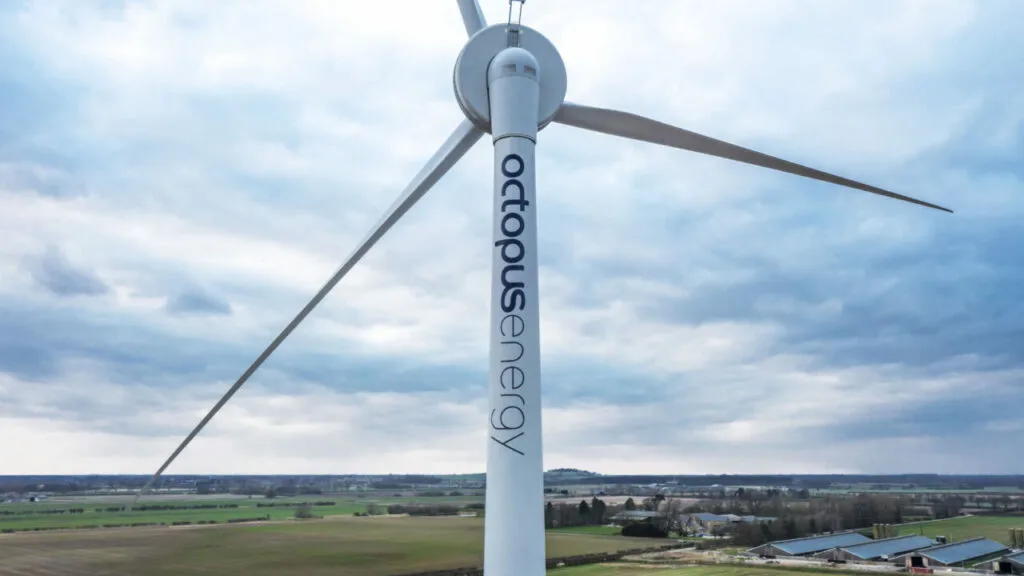
This is the single biggest impact change most households can make. Octopus Agile charges half-hourly rates that track wholesale electricity prices. The average rate is typically lower than the standard tariff. If you can shift consumption to cheap periods — overnight and midday — the saving is substantial.
Requires a smart meter (free from Octopus). No hardware changes needed. Switch via our referral link and get £50 credit.
2. Add plug-in solar — saves £125–£250/year
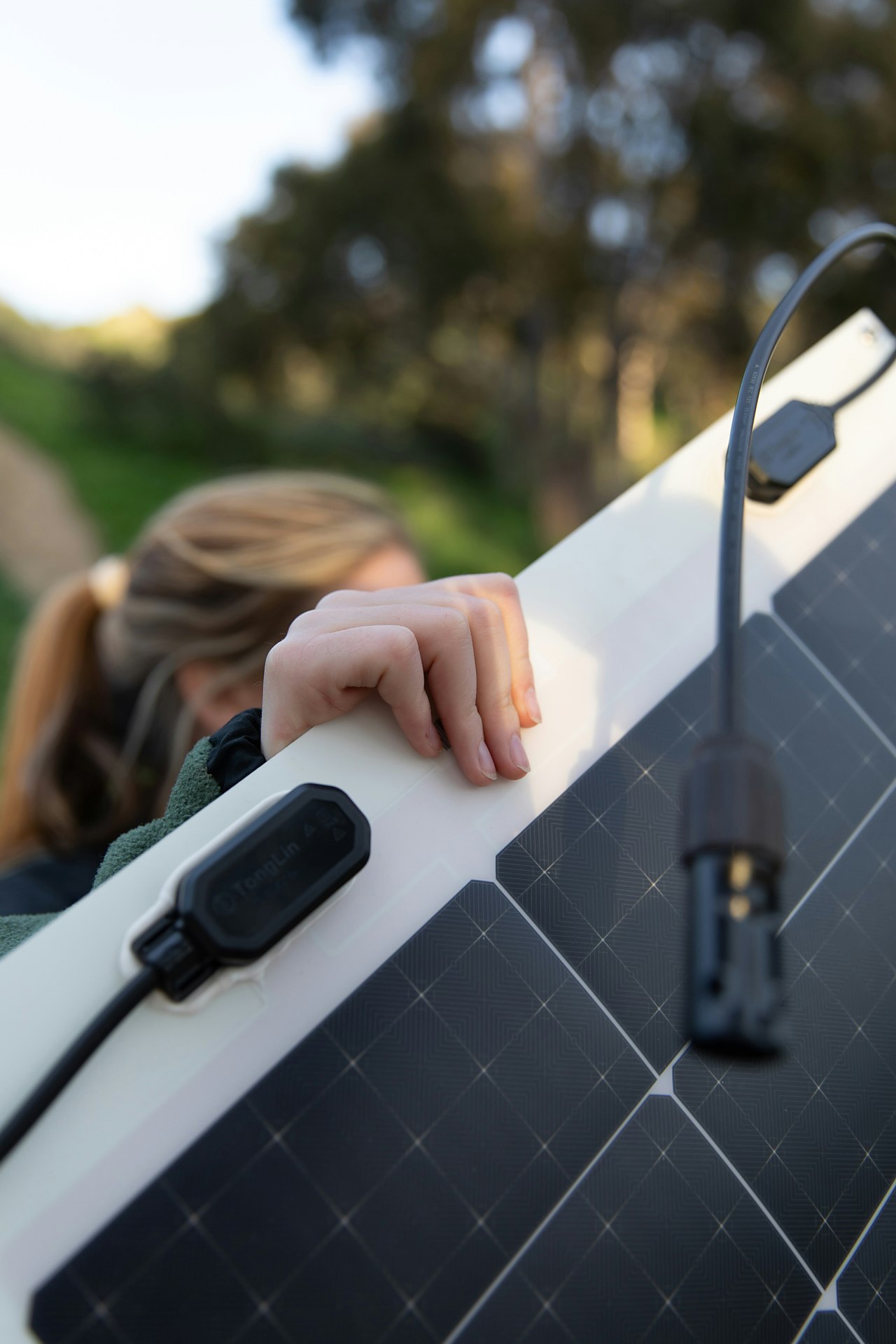
An 800W plug-in solar kit costs £419–£499 and generates 580–780kWh annually. At current tariff rates, that's £125–£156/year in reduced grid draw. Pair it with Agile and the effective saving rises to £180–£250/year. Payback in 2–3 years. No electrician required under BS 7671 Amendment 4.
See our sister site Sun On Tap for detailed reviews.
3. Charge your EV overnight — saves £150–£300/year
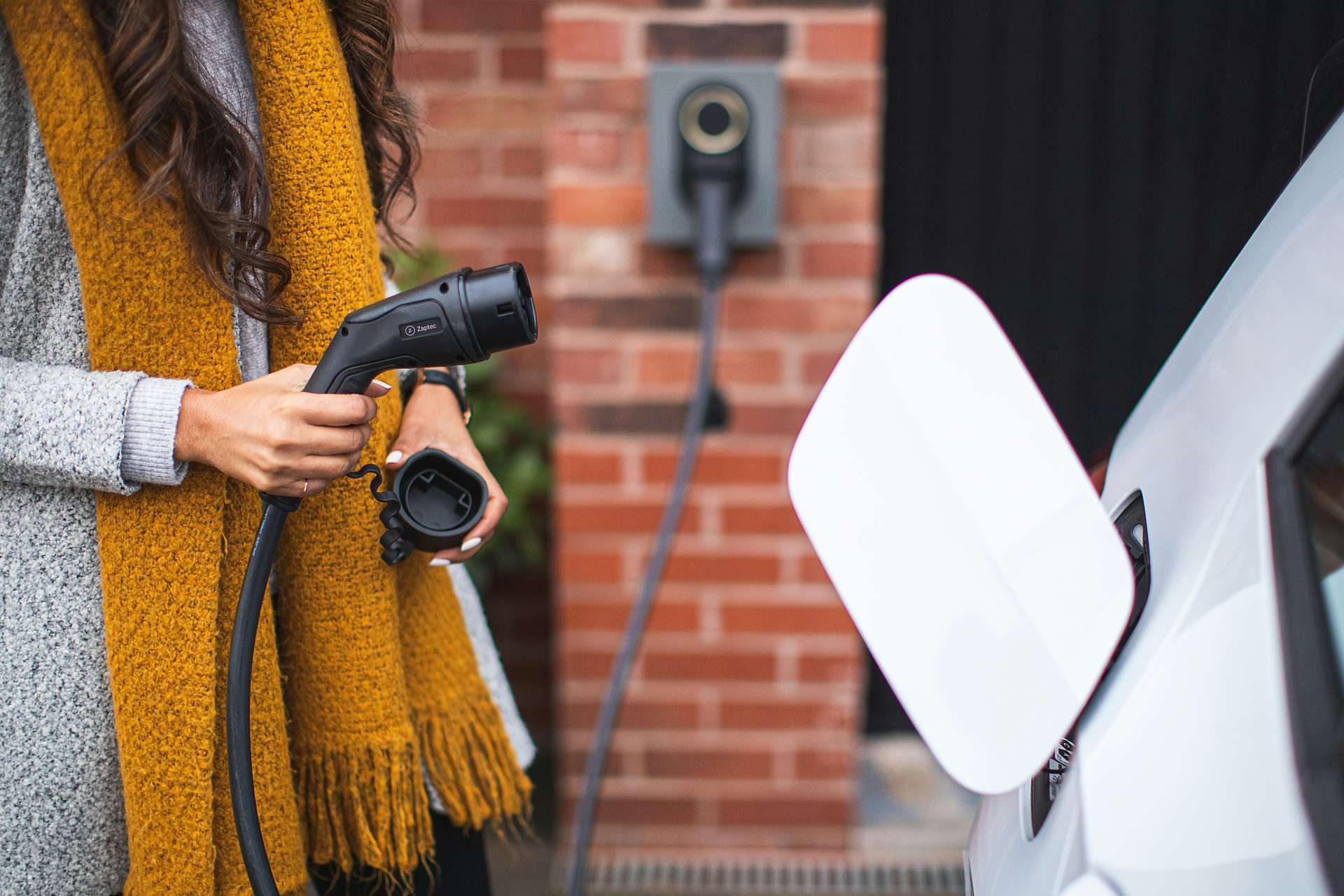
If you have an EV, Octopus Go charges at around 8p/kWh overnight versus 24p/kWh on a standard tariff. For a typical 8,000-mile annual mileage, that's the difference between £400/year and £150/year in charging costs. Switching tariff is the cheapest EV upgrade you can make.
4. Use your dishwasher and washing machine overnight — saves £50–£80/year
On Agile, running your dishwasher and washing machine during 5p/kWh overnight slots instead of 25p/kWh daytime slots saves roughly 20p per cycle. At 5 cycles per week, that's £50+/year. Use the delay start timer. Not glamorous. Effective.
5. Turn your thermostat down 1°C — saves £60–£80/year
Each degree reduction saves approximately 3–4% on heating costs. At the current cap, that's £60–£80/year for gas-heated homes. The physiological difference between 20°C and 19°C is minimal after the first day of adjustment.
6. Switch to LED bulbs throughout — saves £40–£60/year
If you still have any non-LED bulbs, replacing them is one of the highest-return investments available. A 10W LED produces the same light as a 60W incandescent. At 4 hours/day usage, that's a saving of 73kWh/year per bulb.
7. Draught-proof doors and windows — saves £30–£50/year
Self-adhesive foam strip costs £5–£10 and takes 20 minutes to apply. The saving depends on how draughty your home is, but for older properties with poor seals around doors and windows, the impact is immediate and noticeable.
8. Use a smart plug to kill standby — saves £30–£50/year
UK households spend an average of £50–£85/year on standby power. A £10 smart plug on your TV, games console, and entertainment setup eliminates most of this. Schedule it to cut power overnight and when you're out.
9. Insulate your hot water cylinder — saves £20–£35/year
A hot water cylinder jacket costs £15 and pays for itself in weeks. If your cylinder is uninsulated or has degraded insulation, the heat loss is substantial — especially in unheated cupboards.
10. Reduce shower time by 2 minutes — saves £20–£30/year
A power shower uses approximately 15 litres per minute. Two minutes less per shower, at one shower per day, saves around 10,950 litres of hot water per year. The energy saving depends on your water heating method but is typically £20–£30/year.
11. Bleed your radiators — saves £10–£20/year
Air trapped in radiators reduces their efficiency. Bleeding radiators takes 5 minutes per radiator and requires a radiator key (£2). The saving is modest but the effort is minimal and the comfort improvement is noticeable.
12. Close curtains at dusk — saves £10–£15/year
Thermal curtains reduce heat loss through windows by 25–40%. Even standard curtains make a difference. The habit costs nothing.
The combined impact
Changes 1–3 alone save £475–£950/year for a household that switches to Agile, adds plug-in solar, and charges an EV overnight. The remaining changes add another £270–£420/year. Total potential saving: £745–£1,370/year. At a current typical bill of £1,862/year, that’s a 40–74% reduction. Some of these changes require upfront investment. Most don't.