Octopus Agile prices your electricity in 30-minute slots based on the day-ahead wholesale electricity market. Every day at 4pm, Octopus publishes the rates for every half-hour of the following day. Your smart meter records which slots you use electricity in, and you're billed at the rate for each slot.
What the rates actually look like
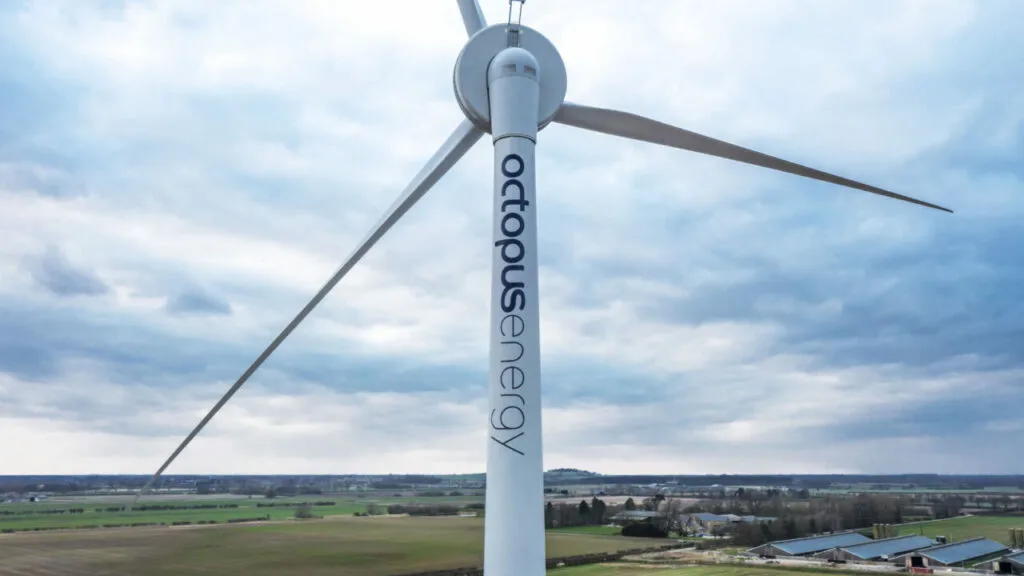
On a typical day, rates follow a pattern: cheap overnight (2am–6am, often 4–8p/kWh), moderate during the day (12–18p/kWh), and expensive during the evening peak (4–7pm, often 25–35p/kWh). On windy days when turbines are generating heavily, midday rates can drop to 5p or below. On very windy days, rates can go negative — you literally get paid to use electricity.
When Agile goes negative
Negative pricing happens when electricity supply exceeds demand — typically on windy winter nights or sunny spring afternoons when solar and wind generation is high but demand is low. During these periods, running your washing machine, dishwasher, or EV charger earns you money rather than costing it. These events happen several times per month in the right conditions.
How to maximise savings
- Charge batteries overnight at 4–7p/kWh, discharge during the 25–35p evening peak
- Run appliances during cheap windows — use delay start timers on dishwashers and washing machines
- Avoid the 4–7pm peak — this is when Agile rates are highest
- Automate with Home Assistant — set up automations that respond to price signals automatically
- Check the Agile app — see tomorrow's rates at 4pm and plan accordingly
Who shouldn't use Agile
If you can't or won't shift any consumption, Agile's peak rates could cost you more than a standard tariff. If your household runs high-draw appliances exclusively during the 4–7pm peak and you have no flexibility to change that, Tracker is the safer smart tariff choice.
Try it
Switch to Octopus first, get your smart meter installed, then move to Agile. You can always switch back to the standard rate if it doesn't work for your household.